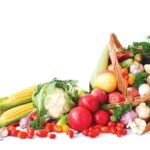
Reducing food waste in the kitchen is becoming increasingly important across the UK, Europe, Asia, and the Middle East, where consumers and buyers are more conscious about sustainability, food costs, and quality. From households to international food supply chains, minimizing waste starts with smarter habits, better storage, and informed purchasing decisions. By following a few simple steps, food waste can be reduced significantly while preserving freshness and value.
1. Plan meals and purchases carefully
One of the main reasons food is wasted is overbuying. Planning meals in advance and purchasing only what is needed helps prevent fruits and vegetables from spoiling before use. This approach is especially relevant in regions like Europe and the UK, where consumers prioritize fresh produce with longer shelf life and minimal waste.
2. Store fruits and vegetables correctly
Proper storage plays a critical role in keeping food fresh longer. Some produce requires refrigeration, while others stay fresh at room temperature. Using breathable packaging, temperature control, and correct placement in the kitchen can dramatically slow spoilage. These same storage principles are applied at a larger scale in international fresh produce exports from Kenya to markets such as Spain and the Netherlands.
3. Understand expiration dates properly
Many people throw away food that is still safe to consume due to confusion between “best before” and “use by” dates. Learning the difference helps reduce unnecessary waste while ensuring food safety. This awareness is essential not only for households but also for global food distributors aiming to reduce losses across supply chains.
4. Use leftovers creatively
Leftover fruits and vegetables can be reused in soups, smoothies, salads, and cooked meals instead of being discarded. Creative reuse reduces waste while maximizing food value, a practice increasingly encouraged across Asia and the Middle East where food efficiency and sustainability are gaining importance.
5. Choose reliable sources for fresh produce
Food waste often begins before products reach the kitchen. Selecting high-quality, well-handled produce with proper post-harvest care ensures longer shelf life and better freshness. For international buyers, sourcing fresh produce from experienced exporters who understand logistics, packaging, and quality standards is key to reducing waste from origin to destination.
Reducing food waste is not only a household responsibility—it is a shared effort across the entire food supply chain. From farms in Kenya to buyers in Spain, the Netherlands, the UK, Asia, and the Middle East, smarter handling and informed choices help preserve freshness, reduce losses, and support sustainable food systems
Looking to source fresh, high-quality produce from Kenya with a strong focus on freshness, reduced food waste, and international export standards? Visit https://comofreshltd.com today to discuss reliable export solutions for buyers in the UK, Spain, the Netherlands, Europe, Asia, and the Middle East.