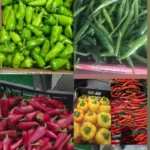
Kenya is one of the leading exporters of fresh vegetables to the European Union (EU). With a strong agricultural sector and favorable climate, Kenyan farmers have the potential to grow high-quality produce year-round. However, exporting to the EU comes with strict quality standards and regulations that must be met to ensure market access. Understanding and complying with these standards is essential for Kenyan vegetable exporters who want to succeed in the competitive EU market.
Why EU Quality Standards Matter
The EU has some of the highest food safety and quality regulations in the world. These standards protect consumers and ensure that imported vegetables meet strict hygiene, pesticide, and traceability requirements. Failure to meet EU standards can lead to shipment rejection, fines, or even long-term bans. Therefore, Kenyan exporters must prioritize compliance to maintain their reputation and market access.
Key EU Quality Requirements for Kenyan Vegetable Exports
1. Food Safety and Hygiene
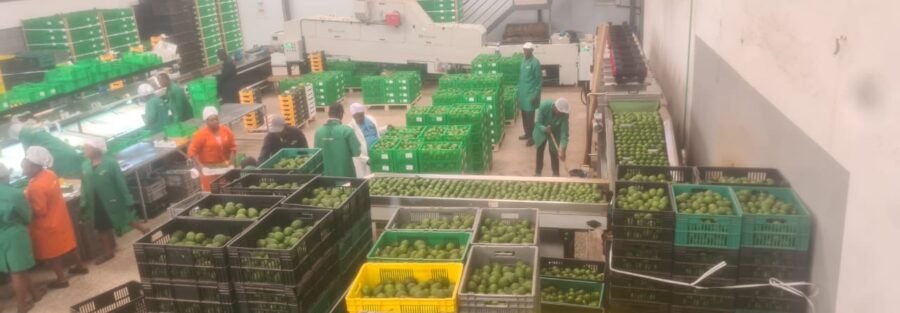
EU regulations require that vegetables are grown, handled, and packed in hygienic conditions. This includes proper sanitation practices, clean packing facilities, and trained staff to prevent contamination. Exporters must ensure that all production processes follow Good Agricultural Practices (GAP) and Good Handling Practices (GHP).
2. Pesticide Residue Limits
The EU sets Maximum Residue Limits (MRLs) for pesticides. Kenyan exporters must ensure that pesticide use is controlled and documented. Regular testing and monitoring are essential to ensure compliance. Using approved pesticides and following recommended application rates can prevent exceeding EU limits.
3. Traceability
Traceability is a major requirement in the EU. Exporters must be able to trace each batch of vegetables from the farm to the consumer. This includes recording information such as the farm location, harvest date, packing date, and distribution details. A robust traceability system helps quickly identify and address any quality issues.
4. Packaging and Labeling
EU standards require proper packaging to protect vegetables during transit and to maintain freshness. Labels must include important information such as product name, country of origin, batch number, and expiry date. Exporters should use packaging materials that meet EU hygiene standards and prevent damage during shipping.
5. Quality Grading and Standards
The EU has specific quality grading requirements for vegetables. These include standards for size, appearance, freshness, and absence of defects. Exporters must sort and grade produce to meet EU quality classifications and ensure consistent product quality.
Steps to Ensure Compliance for Kenyan Vegetable Exports
Step 1: Implement Good Agricultural Practices (GAP)
GAP helps improve product quality and safety. It includes proper soil management, pest control, irrigation, and record-keeping. Training farm staff on GAP is essential to maintain consistent standards.
Step 2: Use Approved Pesticides and Regular Testing
Working with accredited laboratories for pesticide residue testing is crucial. Regular testing ensures compliance with EU MRLs and helps avoid shipment rejection.
Step 3: Maintain Strong Traceability Systems
Using digital systems or farm management software can help track each batch from farm to export. This improves transparency and enables quick response to quality issues.
Step 4: Improve Packing and Handling Practices
Investing in modern packing facilities and proper cold chain logistics can reduce spoilage and maintain freshness. Proper handling and storage are essential for maintaining quality during transit.
Step 5: Work with Certified Export Partners
Partnering with certified exporters, packhouses, and logistics providers can help ensure compliance with EU standards. Certifications such as GLOBALG.A.P and HACCP can enhance credibility and market access.
Comofresh Ltd. – Trusted Kenyan Vegetable Exporter to the EU
Comofresh Ltd. is a leading Kenyan exporter of fresh vegetables to the European market. With strong quality control systems and compliance processes, Comofresh Ltd. ensures that all products meet EU standards for food safety, hygiene, and traceability. Their expert team manages every step from farm to export, ensuring fresh and high-quality produce for international buyers.
🔗 Visit Comofresh Ltd. here: comofreshltd.com