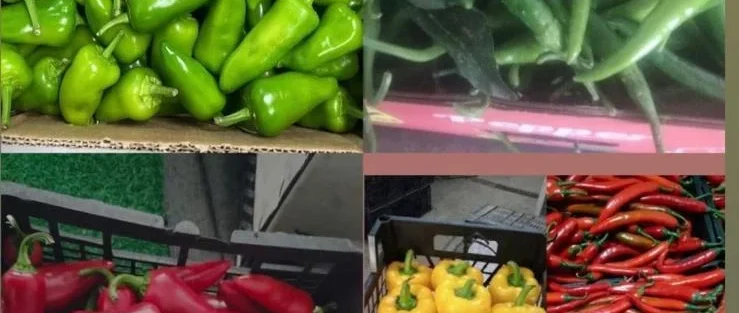
Keeping your refrigerator well organized is one of the easiest ways to extend the freshness of food, reduce waste, and maintain a healthy kitchen. Whether you store fresh produce, dairy, or packaged items, learning how to organize refrigerator spaces properly can make a big difference in food quality and longevity.
For households and food exporters in Kenya, proper refrigerator organization is especially important to preserve freshness in warm climates and ensure food safety.
Why Refrigerator Organization Matters
An unorganized refrigerator can lead to uneven cooling, faster spoilage, and unnecessary food waste. When food is stored correctly, cold air circulates evenly, helping items stay fresh for longer.
Key benefits of an organized refrigerator include:
- Longer shelf life of fruits and vegetables
- Better food hygiene and safety
- Reduced food waste
- Easier access and inventory control
For exporters handling fresh produce, proper storage practices support quality standards and customer satisfaction.
Step 1: Set the Right Temperature
Before you organize refrigerator shelves, make sure the temperature is set correctly:
- Refrigerator: 3–4°C
- Freezer: -18°C
This temperature range helps slow bacterial growth and keeps food fresh, especially important in tropical regions like Kenya.
Step 2: Understand Refrigerator Zones
Different areas of the refrigerator have different temperatures. Knowing these zones helps you store items correctly.
- Top shelves: Ready-to-eat food, leftovers, drinks
- Middle shelves: Dairy products like milk, yogurt, cheese
- Bottom shelves: Raw meat and seafood (coldest area)
- Crisper drawers: Fruits and vegetables
- Door shelves: Condiments and sauces (warmest area)
When you organize refrigerator sections properly, food stays fresh longer and cross-contamination is reduced.
Step 3: Store Fruits and Vegetables Correctly
Fresh produce requires special care. Use crisper drawers as intended:
- High humidity drawer: Leafy greens and vegetables
- Low humidity drawer: Fruits
Keep fruits and vegetables separate to avoid ethylene gas causing premature ripening. This method is widely used by food suppliers and exporters to maintain quality.
Step 4: Use Clear Containers and Labels
Using airtight, transparent containers helps you:
- See food easily
- Prevent odors
- Maintain freshness
Label containers with dates to track freshness. This is especially useful for exporters and bulk storage operations managing large quantities of produce.
Step 5: Avoid Overcrowding
Overloading your refrigerator blocks airflow, making cooling inefficient. Leave space between items so cold air can circulate freely. A well-spaced refrigerator performs better and keeps food fresh for longer periods.
Step 6: Clean and Rotate Regularly
Make it a habit to:
- Clean shelves weekly
- Remove expired items
- Rotate food using the first-in, first-out method
This practice is essential for both home kitchens and food export businesses focused on quality control.
Refrigerator Organization Tips for Kenyan Homes and Exporters
In warm climates like Kenya, maintaining freshness requires extra attention:
- Minimize frequent door opening
- Store produce immediately after purchase or harvest
- Use moisture-control packaging
- Monitor temperature consistently
Exporters like comofreshltd.com understand the importance of proper storage and handling to deliver fresh, high-quality products to global markets.
Final Thoughts
Learning how to organize refrigerator space effectively is a simple yet powerful way to improve food freshness, reduce waste, and maintain quality. From everyday home use to large-scale food exporting in Kenya, proper refrigerator organization supports healthier living and better business outcomes.
By following these practical tips, you can keep your food fresher for longer and ensure safe, efficient storage ev